How to Soft Reset iPhone
Sometimes, your iPhone might start acting up. Apps freeze, buttons stop working, or things feel slower than usual. If you’re dealing with these problems, a soft reset can be a quick and easy fix. This simple process clears temporary glitches and refreshes your device without deleting your apps, files, or settings. Unlike a factory reset, which wipes your iPhone clean, a soft reset is more like a gentle restart.
By the end of this guide, you’ll know exactly how to perform a soft reset, why it’s useful, and when you should consider using it.
What Is a Soft Reset?
A soft reset is essentially turning your iPhone off and back on again. It’s a quick way to fix minor issues, like unresponsive apps, sluggish performance, or random glitches. Think of it as giving your iPhone a fresh start without losing any data.
Why Use a Soft Reset?
Fix Minor Issues: If your iPhone feels slow or apps keep freezing, a soft reset can help.
Refresh Your Device: It clears temporary system bugs or app-related problems.
Non-Destructive: Unlike a factory reset, it doesn’t delete any of your personal files, settings, or apps.
How to Soft Reset an iPhone
The steps for a soft reset depend on your iPhone model. Let’s break it down:
For iPhones With Face ID (iPhone X and Later)
Press and Hold Two Buttons: Hold down the Side button and either the Volume Up or Volume Down button until the power slider appears.
Slide to Power Off: Drag the slider to turn off your iPhone. Wait a few seconds.
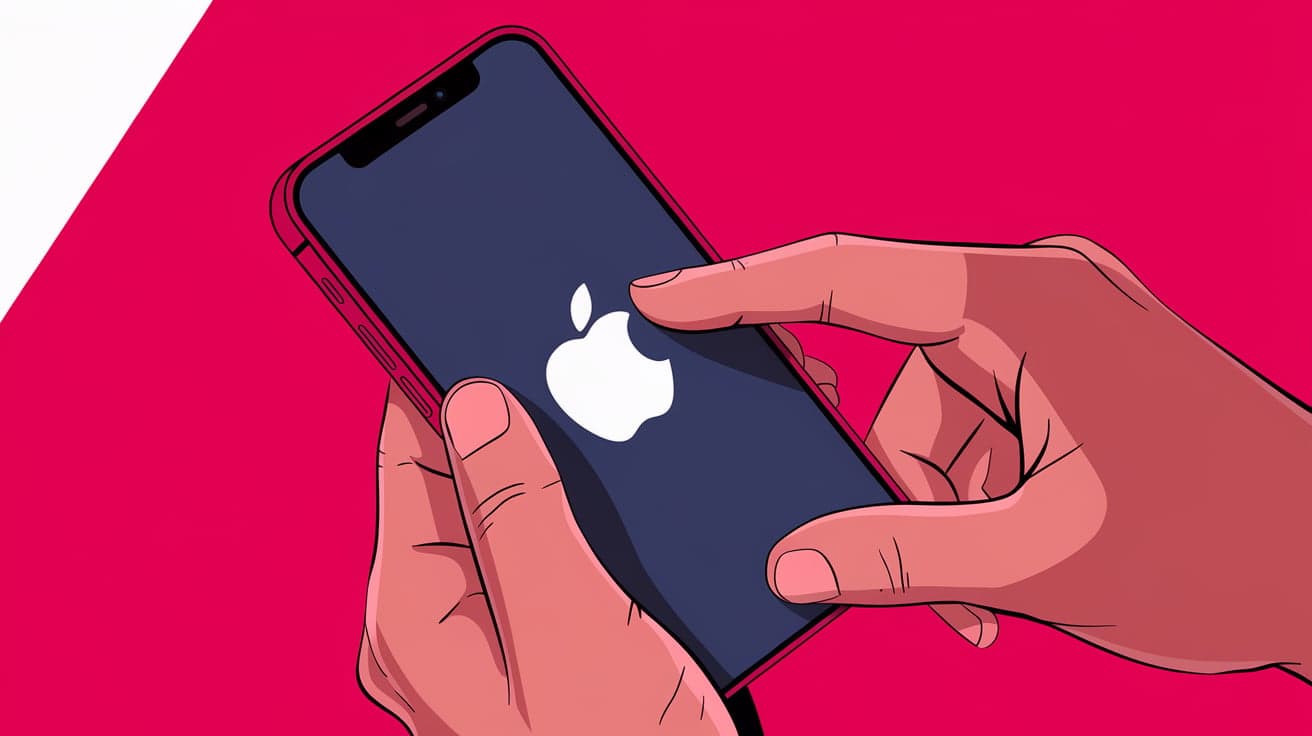
Turn It Back On: Press and hold the Side button again until the Apple logo appears.
For iPhones With a Home Button (iPhone SE, iPhone 8, and Earlier)
Press and Hold the Power Button: Depending on your model, this could be the Top button or Side button.
Slide to Power Off: Drag the slider to turn off your iPhone. Wait for a few seconds.
Turn It Back On: Press and hold the Power button until the Apple logo appears.
Tips for Success
Be Patient: It might take a few seconds for the Apple logo to show up after restarting.
Charge Your Phone: If your iPhone doesn’t turn back on, it could be out of battery. Plug it into a charger and try again.
When Should You Soft Reset Your iPhone?
Soft resets aren’t something you need to do every day, but they’re handy in these situations:
Frozen Apps or Screen: If an app stops responding or your screen freezes, a soft reset can fix it.
Slow Performance: When your iPhone feels sluggish, a soft reset can help it run more smoothly.
Minor Glitches: Weird behaviors, like screen flickering or sound issues, often go away with a reset.
If you’re dealing with major issues, like frequent crashes or boot loops, you might need more advanced troubleshooting.
What Happens During a Soft Reset?
A soft reset doesn’t make any permanent changes to your iPhone. Here’s what happens in the background:
Temporary Files Are Cleared: This frees up system resources and helps your iPhone perform better.
System Memory Is Refreshed: Any processes that were stuck or buggy get restarted.
No Data Is Lost: Your apps, photos, messages, and other data remain untouched.
It’s like rebooting a computer—simple, quick, and effective.
Common Mistakes to Avoid
Even though soft resets are simple, a few mistakes can cause confusion:
Forgetting the Right Buttons: Different iPhone models have different button combinations. Double-check your model before trying.
Not Holding the Buttons Long Enough: If the power slider doesn’t appear, make sure you’re holding the buttons down for at least a few seconds.
Panicking If It Doesn’t Turn On: If your iPhone doesn’t restart immediately, it might just need a charge. Plug it in and try again after a few minutes.
Soft Reset vs. Hard Reset: What’s the Difference?
Many people confuse soft resets with hard resets. Here’s a quick comparison:
| Feature | Soft Reset | Hard Reset |
| Purpose | Fix minor glitches | Fix more serious issues |
| Data Loss | No | No |
| How to Perform | Power off and restart | Force restart with button combo |
A hard reset is a bit more forceful and should only be used when your iPhone is completely unresponsive.
Advanced Alternatives to a Soft Reset
If a soft reset doesn’t solve your problem, you might need to try other methods:
Force Restart
A force restart is similar to a hard reset. It’s useful if your iPhone is completely frozen or stuck on a black screen.
iPhones With Face ID: Quickly press Volume Up, then Volume Down, and hold the Side button until the Apple logo appears.
iPhones With a Home Button: Press and hold the Home button and Power button simultaneously until the Apple logo appears.
Reset All Settings
If you’re experiencing persistent issues, resetting all settings can help. This won’t delete your data but will reset settings like Wi-Fi passwords and wallpaper.
Go to Settings: Open the Settings app.
Tap “General” > “Reset”: Scroll down and tap “Reset All Settings.”
Confirm Your Choice: Enter your passcode and confirm.
Conclusion
A soft reset is one of the easiest ways to fix minor issues on your iPhone. Whether your apps are freezing, the screen is lagging, or the system feels slow, a quick restart can often set things right. It’s a simple process, takes less than a minute, and doesn’t delete any of your data. By knowing when and how to use this method, you can keep your iPhone running smoothly without needing professional help.
FAQs
What’s the difference between a soft reset and a factory reset?
A soft reset simply restarts your iPhone and doesn’t delete any data. A factory reset, on the other hand, wipes all your personal data and settings, returning your iPhone to its original state.
How often should I perform a soft reset?
You don’t need to do it regularly. Only perform a soft reset when your iPhone is slow, unresponsive, or showing minor glitches.
Will a soft reset fix all issues on my iPhone?
A soft reset is great for fixing minor problems, like frozen apps or slow performance. For major issues, you might need a hard reset or advanced troubleshooting.
Does a soft reset delete my photos and apps?
No, a soft reset doesn’t delete any personal files, apps, or settings. It’s safe to perform anytime.
Why won’t my iPhone turn back on after a soft reset?
If your iPhone doesn’t restart, it might be out of battery. Plug it into a charger for a few minutes and then try turning it on again.
Also read -