What Is Applications on iPhone Storage?
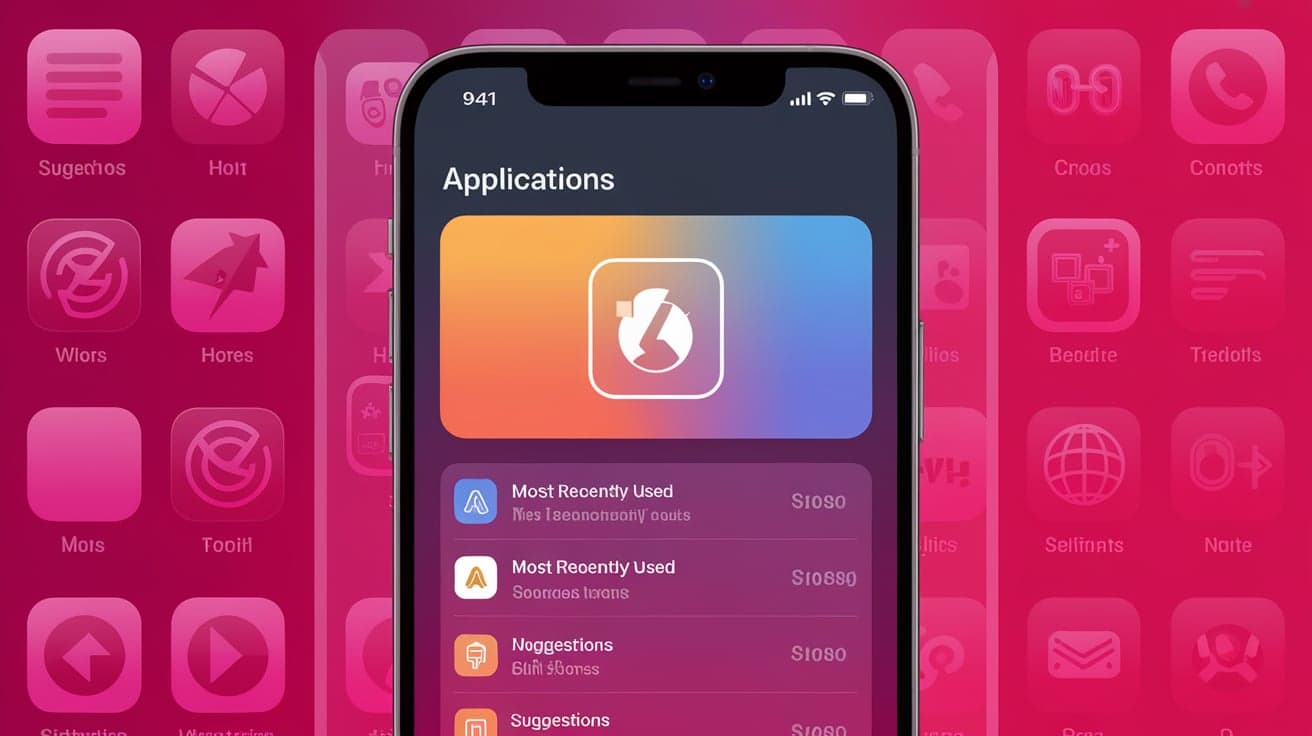
Your iPhone storage often seems to fill up fast, and one section that grabs attention is "Applications." This category represents all the apps installed on your iPhone, but there’s more to it than meets the eye. Beyond just the apps themselves, "Applications" can also include cached files, temporary data, and other app-related content that takes up space.
Understanding how "Applications" impact your iPhone’s storage is essential, especially if you’re running low on space. In this guide, we’ll dive deep into what this category means, how to manage it, and tips to free up valuable storage. Whether you’re a tech-savvy user or just curious, this article will provide simple and actionable insights.
What Does "Applications" Mean in iPhone Storage?
"Applications" in iPhone storage refers to all the apps you’ve downloaded from the App Store or pre-installed apps on your device. Each app’s storage footprint includes three main components:
App Size: The actual size of the app, which is what you see when downloading it from the App Store.
App Data: This includes user-generated content, like saved games, downloaded files, or chat histories.
Cache and Temporary Files: Apps often store cached data to improve performance, such as images or web pages saved for quicker loading.
For example, a social media app might only be 200 MB when downloaded, but its total size could grow to several gigabytes as you use it.
How to Check Applications Storage on Your iPhone
It’s easy to see how much space apps are taking up on your iPhone. Follow these steps:
Open Settings: Tap on the gray gear icon on your home screen.
Go to General: Scroll down and select General.
Tap iPhone Storage: This will show a breakdown of your storage usage, including "Applications."
View App List: Scroll down to see a list of all apps and how much space they’re using. Tap on an app for more details.
This breakdown helps you identify which apps are hogging storage and lets you decide what to keep or delete.
Why Do Applications Take Up So Much Space?
Apps can take up a surprising amount of space over time. Here’s why:
Cached Data Builds Up
Many apps, especially social media or streaming apps, save temporary files like images, videos, and thumbnails. While this speeds up performance, it also eats into your storage.
Downloaded Content
Apps like Netflix or Spotify let you download content for offline use. These files are stored on your device and can quickly add up.
Unused Apps Still Occupy Space
Even if you haven’t opened an app in months, it still takes up storage unless it’s offloaded (more on this later).
Managing Applications on iPhone Storage
If your apps are taking up too much space, here’s how to manage them effectively:
Delete Unused Apps
Get rid of apps you no longer use. Here’s how:
Go to Settings > General > iPhone Storage.
Select an app you don’t use.
Tap Delete App to remove it completely.
Offload Apps
Offloading apps is a great way to free up space without losing data. It deletes the app but keeps your settings and data intact. To offload apps:
Go to Settings > General > iPhone Storage.
Tap on the app you want to offload.
Select Offload App.
You can reinstall the app later, and it will pick up right where you left off.
Clear Cache
Some apps allow you to clear cached data directly. For example:
In Safari, go to Settings > Safari > Clear History and Website Data.
Check individual app settings to see if they offer a "Clear Cache" option.
Review Downloaded Files
Streaming apps often save files for offline use. Open the app and review your downloads to delete what you no longer need.
How to Free Up More Space on Your iPhone
If managing applications isn’t enough, try these additional tips to maximize storage:
Use iCloud: Store photos, videos, and documents in iCloud instead of on your device. Go to Settings > [Your Name] > iCloud to set it up.
Optimize Photos: Enable Optimize iPhone Storage under Settings > Photos to store full-resolution images in iCloud while keeping smaller versions on your phone.
Delete Old Messages: Go to Settings > Messages > Keep Messages and choose a shorter duration, like 30 days, to delete older conversations automatically.
Remove Duplicate Photos: Use the built-in Photos app or third-party tools to identify and delete duplicate images.
Restart Your Phone: A simple restart can clear temporary files and free up a small amount of storage.
Benefits of Keeping Applications Storage Under Control
Managing your applications storage isn’t just about freeing up space; it also improves your iPhone’s performance. Here’s why it matters:
Faster Performance: Clearing unnecessary files reduces lag and speeds up app performance.
Ease of Updates: Apps and iOS updates require free space to install. Managing storage ensures you’re always ready for updates.
Better Organization: A decluttered phone is easier to navigate, helping you stay more productive.
Summary
"Applications" in iPhone storage includes not just the apps themselves but also their data, cached files, and downloaded content. Over time, this category can consume a significant portion of your storage, especially if you use media-heavy apps or neglect to manage unused ones.
By regularly checking your iPhone storage and taking steps like offloading apps, clearing caches, and reviewing downloads, you can keep your device running smoothly. Combine these tips with other storage-saving measures like using iCloud, and you’ll always have enough room for what matters most.
FAQs
How do I find out which apps are using the most storage?
Go to Settings > General > iPhone Storage to see a list of apps and their storage usage. Tap on an app to view details like app size and data.
What’s the difference between deleting and offloading an app?
Deleting an app removes it and all its data. Offloading an app removes the app but keeps its data and settings intact, so you can reinstall it later without losing anything.
Can I clear the cache for all apps at once?
No, iOS doesn’t have a built-in feature to clear the cache for all apps at once. You need to clear cache within individual app settings or delete and reinstall the app.
Does offloading an app free up a lot of storage?
It depends on the app. If the app size is large but its data is small, offloading will free up significant space. However, apps with large data files won’t save as much space when offloaded.
Why does my storage still seem full after deleting apps?
Even after deleting apps, cached files or system data might still take up space. Restarting your iPhone can sometimes clear these temporary files and refresh your storage totals.
Also read -
solving iphone location sharing not working
discover why your iphone is displaying sos mode and what to do