What is Haptics on iPhone?
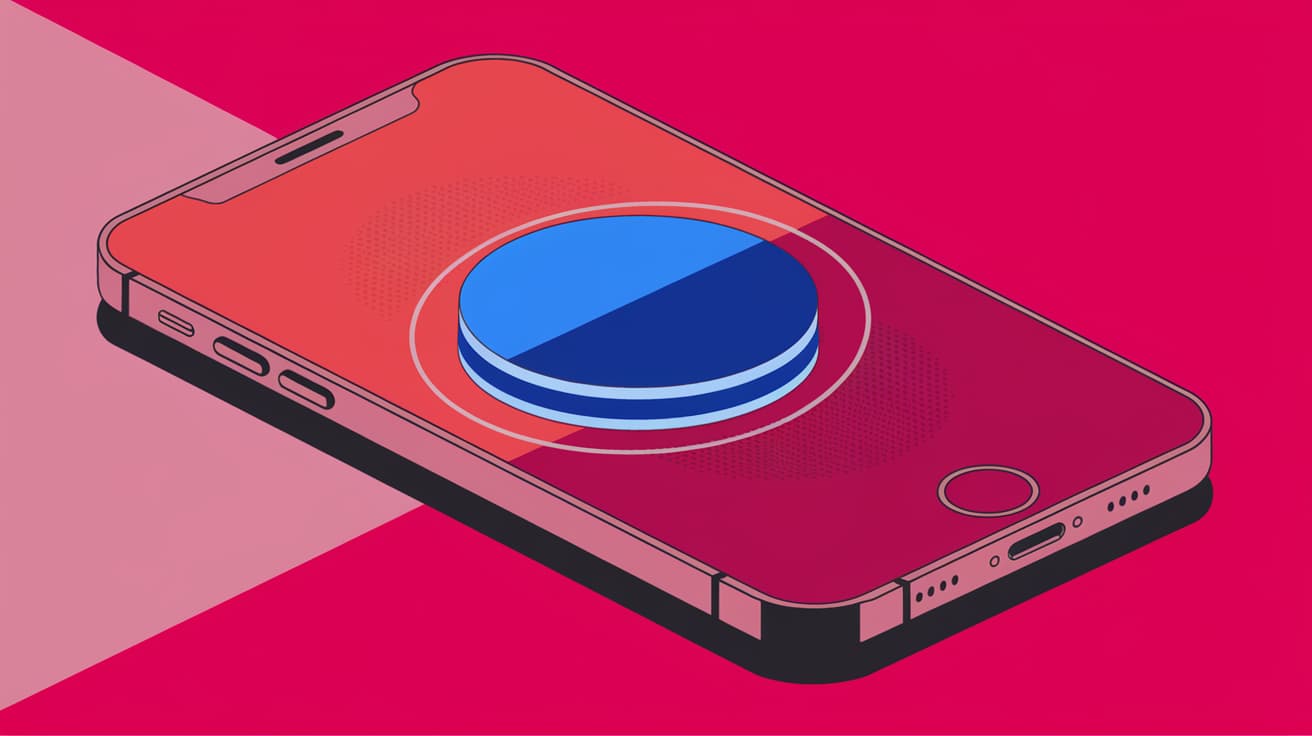
When you use your iPhone, you may have noticed subtle vibrations as you tap the screen, scroll, or receive notifications. This is what Apple calls haptics. It’s a feature designed to make your interactions with your iPhone feel more immersive and natural. These tiny vibrations provide tactile feedback, simulating the sensation of pressing a physical button or interacting with a real object. But what exactly is haptics, and why does it matter?
In this guide, we’ll break down what haptics on the iPhone is all about, how it works, and how it enhances your overall experience. Whether you’re curious about enabling or disabling it or just want to understand its benefits, this article covers everything you need to know.
Understanding Haptics on iPhone
Haptics refers to the use of vibrations to simulate touch responses. On an iPhone, these vibrations are produced by a technology called the Taptic Engine, which was introduced with the iPhone 6s. Instead of relying on traditional vibration motors, the Taptic Engine generates precise, short bursts of vibrations that feel more responsive and realistic.
How Haptics Works
The Taptic Engine uses controlled vibrations to create feedback for specific actions. For example:
A slight buzz when you unlock your iPhone.
A tap-like vibration when you press a virtual button, like the Home button on older models.
A rumble when scrolling through a picker, like the date selector in the Calendar app.
By mimicking real-world sensations, haptics makes your interactions with the iPhone more intuitive.
Types of Haptic Feedback on iPhone
Apple integrates haptics into various features and apps to enhance the user experience. Here’s where you’ll encounter haptics on your iPhone:
1. System Haptics
These are the subtle vibrations you feel during basic interactions, like:
Unlocking your device.
Adjusting settings with sliders or toggles.
Scrolling through menus.
System haptics is enabled by default on most iPhones.
2. Keyboard Haptics
When typing on the virtual keyboard, you can enable haptics to feel a small vibration with each key press. This makes typing feel more natural, similar to using a physical keyboard.
3. Notifications and Alerts
Haptics are also used for notifications. For instance:
A soft vibration for a text message.
A stronger buzz for incoming calls.
You can customize how haptics are used for different types of alerts.
4. App-Specific Haptics
Some apps, like games or photo editors, use haptics to enhance interactivity. For example, you might feel a vibration when completing a task in a game or adjusting a setting in a creative app.
Benefits of Haptics on iPhone
Haptics is more than just a fancy feature—it offers several practical benefits:
1. Improved User Interaction
Haptics gives you tactile feedback, making virtual actions feel real. For instance, the vibration when you press the Home button feels like pressing an actual button, even though it’s a flat surface.
2. Enhanced Accessibility
For people with visual impairments, haptics provides non-visual cues. Vibrations can confirm actions like unlocking the phone or selecting an option.
3. Subtle Notifications
Haptics allows you to receive notifications without sound, which is perfect for quiet environments or when you don’t want to disturb others.
4. More Engaging Apps
Apps that use haptics feel more interactive and engaging. Whether it’s a game or a utility app, the vibrations make your experience more immersive.
How to Enable or Disable Haptics on iPhone
If you love the feeling of haptics, you can leave it on. But if you find it distracting, you can easily turn it off. Here’s how:
Enabling or Disabling System Haptics
Open Settings.
Scroll down and tap Sounds & Haptics.
Toggle System Haptics on or off, depending on your preference.
Enabling or Disabling Keyboard Haptics
Go to Settings > Sounds & Haptics.
Tap Keyboard Feedback.
Toggle Haptic on or off.
Customizing Haptic Feedback
Apple gives you control over how haptics works on your iPhone. Here are a few ways to customize it:
1. Adjust Haptic Strength
While you can’t directly adjust haptic intensity on most iPhones, haptic feedback feels different based on the vibration settings for notifications. To change this:
Go to Settings > Sounds & Haptics.
Select Ringtone or Text Tone and adjust the vibration pattern.
2. Choose Vibration Patterns
You can assign different vibration patterns for contacts or notifications:
Go to Settings > Sounds & Haptics.
Select a notification type (e.g., Ringtone or Text Tone).
Tap Vibration and choose a pattern or create your own.
When to Turn Off Haptics
While haptics is a fantastic feature, there are times when you might want to disable it:
Saving Battery Life
Although the Taptic Engine is efficient, disabling haptics can slightly improve battery life, especially on older iPhones.Reducing Distractions
If you’re sensitive to vibrations or find them distracting during work or study, turning off haptics can help.Personal Preference
Some people simply prefer a silent, vibration-free experience.
Common Issues with Haptics and How to Fix Them
If haptics isn’t working as expected, here are some troubleshooting tips:
1. Haptics Not Working After an Update
Restart your iPhone.
Go to Settings > Sounds & Haptics and ensure haptics is enabled.
2. Weak or Inconsistent Vibrations
Check for dirt or damage around the Taptic Engine area.
Update your iPhone to the latest iOS version.
3. Haptics Missing in Certain Apps
- Some apps may not support haptics. Check the app settings to see if it’s enabled.
Conclusion
Haptics on the iPhone is a subtle but powerful feature that enhances how you interact with your device. From providing feedback while typing to delivering silent notifications, it’s designed to make your iPhone feel more intuitive and responsive. Whether you enjoy the immersive experience or prefer to disable it for simplicity, haptics is fully customizable to suit your needs.
By understanding what haptics is, how it works, and how to adjust it, you can take full control of this feature. Explore your iPhone’s settings and discover how haptics can make your daily interactions smoother and more enjoyable.
FAQs
What does haptics mean on iPhone?
Haptics refers to the small vibrations you feel when interacting with your iPhone, like tapping the screen or receiving notifications.
Can I turn off haptics on my iPhone?
Yes, go to Settings > Sounds & Haptics and toggle off System Haptics or Keyboard Feedback.
Does haptics drain the iPhone battery?
Haptics uses minimal power, but turning it off can slightly extend battery life, especially on older models.
Why isn’t my iPhone’s haptic feedback working?
Ensure haptics is enabled in Settings > Sounds & Haptics. Restart your phone or update iOS if the issue persists.
What’s the difference between vibration and haptics?
Vibration is a more general buzz, while haptics is a precise and short feedback designed to mimic real-world touch sensations.
Also read -