How to Quickly Find Your iPhone's IMEI Number
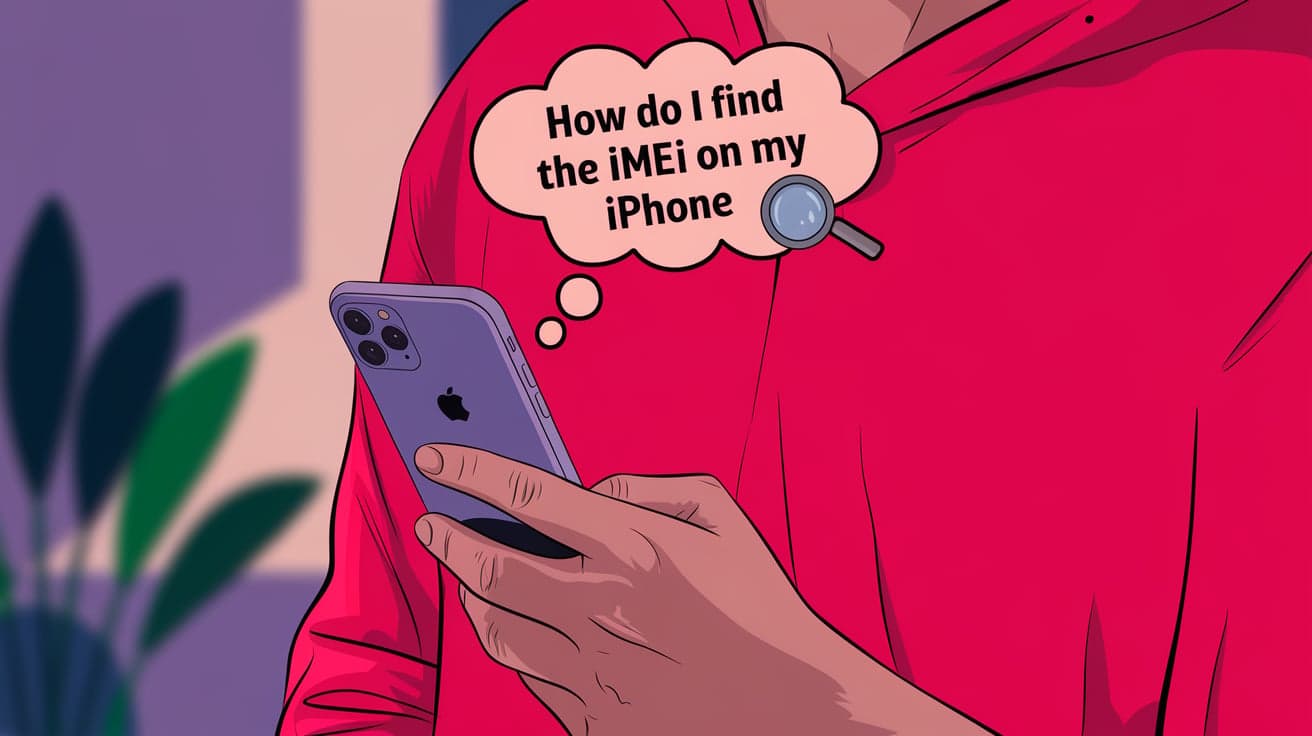
Your iPhone’s IMEI (International Mobile Equipment Identity) number is like a fingerprint for your device. It’s a unique 15-digit code that helps identify your iPhone, whether you’re registering it with your carrier, unlocking it, or reporting it stolen. Knowing where to find this number is crucial, especially during setups or troubleshooting. But don’t worry—it’s easy to locate the IMEI on your iPhone.
Let’s explore the different methods to find it and why this number is so important.
What Is an IMEI Number and Why Do You Need It?
The IMEI number is essential for several reasons. It helps carriers identify your device on their network and is used to block a phone if it’s lost or stolen. Here are some common scenarios where you might need your IMEI:
Unlocking your iPhone: If you’re switching carriers, the IMEI is needed to unlock your phone.
Warranty and repairs: Apple or a repair center may ask for your IMEI when checking warranty or servicing your phone.
Reporting a lost phone: Carriers can block your device from being used if you provide them with the IMEI.
Now that you understand its importance, let’s find out how to locate your iPhone’s IMEI.
How to Find the IMEI on Your iPhone
Here are several ways to find the IMEI on your iPhone, whether you have access to the device or not.
Method 1: Check in the Settings App
The easiest way to find your IMEI is through the Settings app on your iPhone.
Open the Settings app.
Tap General and then About.
Scroll down to find the IMEI number listed.
You can tap and hold the number to copy it if needed. This is useful when you’re filling out forms or sharing the IMEI with your carrier.
Method 2: Dial a USSD Code
Another quick way to find your IMEI is by dialing a code.
Open the Phone app.
Dial
*#06#and press the call button.Your IMEI will appear on the screen.
This method works instantly and doesn’t require navigating through menus.
Method 3: Look on the Back of Your iPhone or SIM Tray
If you can’t power on your iPhone, you might still find the IMEI on the physical device.
On the Back: For older iPhone models (like iPhone 6 and earlier), the IMEI is engraved on the back of the device.
On the SIM Tray: On newer models, remove the SIM tray using a SIM ejector tool. The IMEI is printed on the tray.
Make sure to handle your SIM tray carefully to avoid damaging it.
Method 4: Use Finder or iTunes
If you have a computer, you can find your iPhone’s IMEI through Finder (on macOS Catalina or later) or iTunes (on older macOS and Windows).
Connect your iPhone to the computer using a cable.
Open Finder (or iTunes).
Select your iPhone under Locations.
Click on General (Finder) or Summary (iTunes).
Look for the IMEI under device information.
This method is helpful if your iPhone screen is damaged or inaccessible.
Method 5: Check the Original Packaging
If you still have your iPhone’s original box, the IMEI is printed on the barcode label. Look for a sticker with details like the serial number, IMEI, and model number.
This method is useful if your iPhone is lost and you need the IMEI for reporting it.
Why Can’t I Find My IMEI?
If you’re struggling to locate the IMEI, here are some common issues and fixes:
Damaged Phone: If your iPhone won’t power on, use the SIM tray or original packaging to find the IMEI.
No Access to the Phone: Check your Apple ID account (explained below) if you don’t have physical access to the device.
Carrier Restrictions: Some carriers lock certain features, so ensure your iPhone is fully functional.
How to Find IMEI via Apple ID
If your iPhone is lost, you can find the IMEI through your Apple ID account:
Visit Apple ID on a web browser.
Log in with your Apple ID credentials.
Scroll down to the Devices section.
Select your iPhone, and the IMEI will appear in the details.
This method is a lifesaver if your device is lost or stolen.
What to Do With Your IMEI
Once you have your IMEI, you can use it for various tasks:
Unlock Your iPhone: Contact your carrier and provide the IMEI to unlock your device.
Report a Lost Phone: Share the IMEI with your carrier so they can block it from being used.
Verify Your Device: Check the warranty or authenticity of your iPhone by entering the IMEI on Apple’s Check Coverage page.
Always keep your IMEI secure, as it can be misused if it falls into the wrong hands.
Tips to Keep Your IMEI Safe
Since your IMEI is unique to your device, it’s essential to keep it private. Here are some tips:
Don’t share publicly: Avoid posting your IMEI online or sharing it with untrusted sources.
Store it securely: Write down the IMEI and keep it in a safe place.
Use reputable services: Only share your IMEI with trusted carriers, repair centers, or Apple.
Conclusion
Finding the IMEI on your iPhone is simple once you know where to look. Whether you use the Settings app, dial a code, or check your original packaging, there’s a method for every situation. Knowing your IMEI is essential for unlocking your device, reporting it lost, or checking its warranty. By following this guide, you’ll always be prepared to locate and use your iPhone’s IMEI whenever needed.
FAQs
What does the IMEI number do?
The IMEI uniquely identifies your iPhone. It’s used for carrier registration, unlocking, and blocking lost or stolen devices.
Can I find my IMEI if my iPhone is lost?
Yes, you can find your IMEI through your Apple ID account or the original packaging of your iPhone.
Is the IMEI the same as the serial number?
No, the IMEI is specifically for identifying the device on a cellular network, while the serial number is used by Apple for warranty and service purposes.
Can someone misuse my IMEI?
Yes, your IMEI can be misused to clone your device or unlock stolen phones. Keep it private and only share it with trusted entities.
Does every iPhone have an IMEI?
Yes, all iPhones have an IMEI, except for Wi-Fi-only iPads or devices without cellular connectivity.
Also read -