How to Free Up Space on iPhone
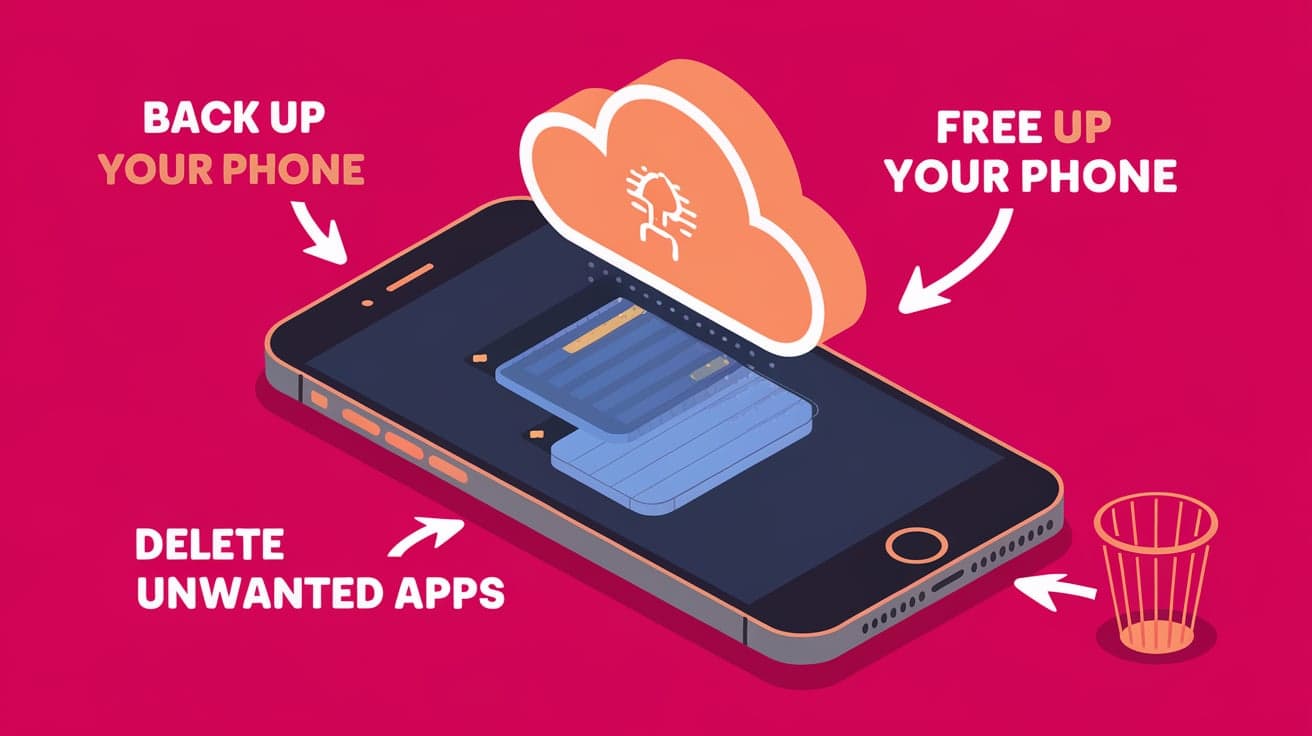
Running out of storage on your iPhone can be frustrating, especially when you’re trying to take a photo, download an app, or update your software. With limited storage, you might find yourself constantly juggling what to keep and what to delete. Luckily, freeing up space on your iPhone isn’t as hard as it seems. With a few simple steps, you can clear out unnecessary files, photos, and apps to make room for what matters most.
This guide will walk you through easy ways to free up space on your iPhone and keep it organized.
Check What’s Taking Up Space
Before you start deleting anything, it’s a good idea to figure out what’s using the most storage on your iPhone. Apple makes this easy with its built-in storage manager.
Step 1: Open iPhone Storage Settings
Go to Settings > General > iPhone Storage.
You’ll see a color-coded bar at the top showing how much space is used by apps, photos, media, and other files.
Step 2: Review Recommendations
Below the bar, you’ll find suggestions like offloading unused apps or reviewing large attachments. These recommendations can save a lot of time and space.
Step 3: Analyze Apps
Scroll down to see a list of apps, sorted by how much space they take up. This helps you identify which apps or files to delete first.
Delete Unnecessary Photos and Videos
Photos and videos are often the biggest space hogs on an iPhone. Here’s how to clear out the clutter without losing precious memories:
Step 1: Use iCloud Photos
Go to Settings > Photos and enable iCloud Photos.
Turn on Optimize iPhone Storage to keep smaller, compressed versions of your photos on your phone while storing the originals in iCloud.
Step 2: Remove Unneeded Photos
Open the Photos app and go through your albums.
Delete duplicates, blurry images, or screenshots you no longer need.
Don’t forget to clear the Recently Deleted album to free up space permanently.
Step 3: Transfer Photos to a Computer
If you don’t want to rely on iCloud, transfer your photos to a computer or external drive and delete them from your iPhone.
Clear Cache and Unnecessary Files
Over time, apps like Safari, Instagram, and others build up temporary files that take up space.
Step 1: Clear Safari Cache
Go to Settings > Safari.
Scroll down and tap Clear History and Website Data.
Step 2: Remove App Cache
For apps like Instagram or Spotify, you might need to delete and reinstall the app to clear its cache, as iOS doesn’t have a built-in cache-clearing tool for individual apps.
Step 3: Delete Old Messages
Go to Settings > Messages.
Under Message History, set your messages to automatically delete after 30 days or 1 year.
Offload or Delete Unused Apps
Apps you don’t use often can take up a surprising amount of space. You can either offload them or delete them entirely.
Step 1: Offload Unused Apps
Go to Settings > General > iPhone Storage.
Tap an app you don’t use often and select Offload App. This removes the app but keeps its data, so you can reinstall it later.
Step 2: Delete Unused Apps
Press and hold any app on your home screen until it starts wiggling.
Tap the minus (-) icon and choose Delete App.
Optimize Music and Media Storage
Downloaded music, podcasts, and videos can eat up storage quickly. Here’s how to manage them:
Step 1: Manage Music Downloads
Open the Music app and go to your library.
Delete downloaded songs or albums you no longer listen to.
Step 2: Clear Podcast Episodes
Open the Podcasts app and go to your library.
Delete episodes you’ve already listened to.
Step 3: Use Streaming Services
Consider streaming music and videos instead of downloading them. Apps like Spotify and Netflix let you access content without taking up as much storage.
Use Cloud Storage Services
If you’re constantly running out of space, cloud storage services like iCloud, Google Drive, or Dropbox can be a lifesaver.
Step 1: Use iCloud Drive
Go to Settings > [Your Name] > iCloud.
Turn on iCloud Drive to store files and free up local storage.
Step 2: Install Third-Party Cloud Apps
Apps like Google Photos or Dropbox can automatically back up your photos and videos, letting you delete them from your iPhone.
Reset and Start Fresh (Optional)
If your iPhone is completely cluttered, resetting it might be the best option. Just make sure to back up your data first.
Step 1: Backup Your Data
Go to Settings > [Your Name] > iCloud > iCloud Backup and tap Back Up Now.
Alternatively, connect your iPhone to a computer and back it up using iTunes or Finder.
Step 2: Reset Your iPhone
Go to Settings > General > Transfer or Reset iPhone > Erase All Content and Settings.
Restore your backup to get only the files and apps you need.
Conclusion
Freeing up space on your iPhone doesn’t have to be stressful. By following the steps in this guide, you can reclaim valuable storage and keep your device running smoothly. Start by checking what’s taking up space, then clear unnecessary photos, videos, apps, and cache files. If storage remains an issue, consider using cloud services or resetting your device for a fresh start. With a little maintenance, you can enjoy more space and better performance on your iPhone.
FAQs
How do I know what’s taking up space on my iPhone?
Go to Settings > General > iPhone Storage to see a breakdown of your storage usage by apps, photos, media, and other files.
What happens if I offload an app?
Offloading an app removes the app itself but keeps its data. If you reinstall the app later, your data will still be there.
How can I clear space without deleting photos?
Enable iCloud Photos and turn on Optimize iPhone Storage. This keeps smaller versions of your photos on your device while storing the originals in iCloud.
Can I free up space without deleting apps?
Yes, you can clear cache files, delete old messages, and move photos or videos to cloud storage to free up space without deleting apps.
How often should I free up space on my iPhone?
It’s a good idea to check your storage every few months and clear out unnecessary files to keep your device running smoothly.
Also read -