How to Change Passcode on iPhone
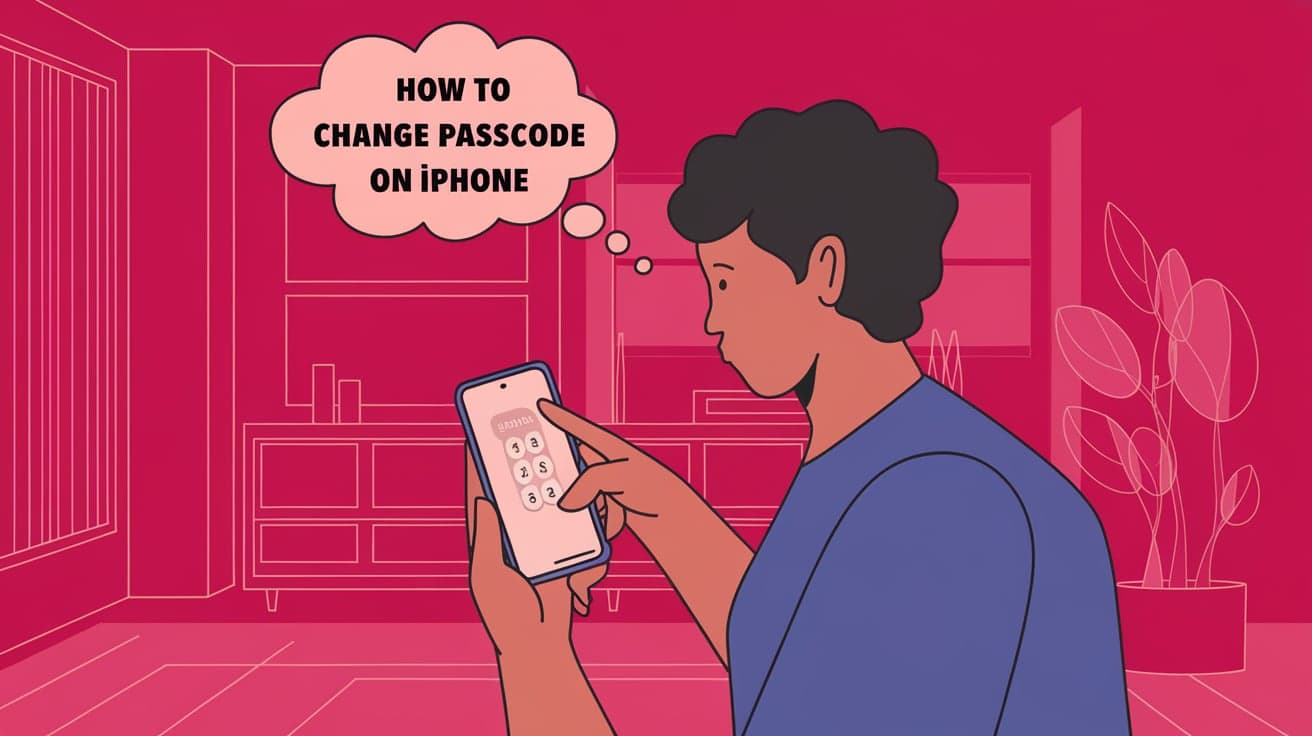
Your iPhone’s passcode is the first line of defense against unauthorized access. It keeps your personal data secure and ensures that only you can unlock your device. Whether you’re changing your passcode for better security or just want something easier to remember, the process is simple.
In this guide, I’ll walk you through step-by-step instructions on how to change your iPhone’s passcode, explain the importance of choosing a strong passcode, and share troubleshooting tips in case you run into issues.
Why Should You Change Your iPhone Passcode?
Changing your passcode regularly can enhance your device’s security, especially if you suspect someone might know your current code. Here’s why it’s a good idea:
Improve security: A strong passcode reduces the chances of someone guessing or accessing your device.
Protect personal information: Your passcode safeguards sensitive data like messages, photos, and payment details.
Prevent unauthorized access: If you’ve shared your passcode in the past, changing it ensures that only you have access.
Even if your phone has Face ID or Touch ID, your passcode acts as a backup method for unlocking your device.
Steps to Change Your Passcode on iPhone
Changing your passcode on an iPhone is quick and easy. Follow these steps to set a new passcode:
Step 1: Open the Settings App
Unlock your iPhone and tap the Settings app (the gear icon).
Scroll down and select Face ID & Passcode (or Touch ID & Passcode on older models). If your device doesn’t support Face ID or Touch ID, it will simply say Passcode.
Step 2: Enter Your Current Passcode
- You’ll be prompted to enter your current passcode to access the passcode settings.
Step 3: Tap “Change Passcode”
In the Passcode settings menu, select Change Passcode.
Enter your current passcode again to confirm that you’re authorized to make changes.
Step 4: Set a New Passcode
Enter your new passcode when prompted. You can choose between different types of passcodes:
6-digit numeric: This is the default and offers good security.
4-digit numeric: Easier to remember but less secure.
Custom alphanumeric: Includes letters and numbers for maximum security.
Re-enter your new passcode to confirm it.
Your passcode is now updated! Make sure you choose something you can remember but is difficult for others to guess.
Choosing a Strong Passcode
When setting a new passcode, it’s important to prioritize security. Here are some tips for choosing a strong passcode:
Avoid common numbers: Don’t use simple combinations like “123456” or “0000.”
Stay away from personal details: Avoid using your birthdate, phone number, or other easily guessed information.
Use a longer code: A 6-digit passcode is more secure than a 4-digit one, and an alphanumeric code is even better.
Enable custom settings: Choose a mix of numbers and letters if you want maximum protection.
A strong passcode ensures that your iPhone stays secure, even if someone tries to guess their way in.
How to Turn Off Passcode Temporarily
If you don’t want to use a passcode temporarily, you can turn it off. However, keep in mind that this removes an important layer of security. Here’s how:
Open Settings and go to Face ID & Passcode (or Touch ID & Passcode).
Enter your current passcode to access the settings.
Scroll down and select Turn Passcode Off.
Confirm by entering your passcode again.
Without a passcode, anyone can access your iPhone, so only disable it in secure environments.
Troubleshooting Common Issues When Changing Passcode
Sometimes, you might face issues while trying to change your passcode. Here’s how to resolve common problems:
1. Forgot Your Current Passcode
If you can’t remember your current passcode, you won’t be able to change it. You’ll need to reset your iPhone using one of these methods:
iCloud: Use the Find My iPhone feature on iCloud.com to erase your device.
Recovery Mode: Connect your iPhone to a computer and restore it through iTunes or Finder. Keep in mind that resetting your iPhone will erase all data unless you have a backup.
2. Passcode Not Accepted
If your iPhone doesn’t accept the new passcode, ensure you’re entering it correctly. Try restarting your device and setting the passcode again.
3. Passcode Options Missing
If you can’t see options for custom passcodes, your device might be restricted by a profile or settings. Check under Settings > General > VPN & Device Management to see if any restrictions are applied.
Additional Security Features to Consider
In addition to setting a strong passcode, here are some other iPhone features to enhance security:
Face ID or Touch ID: These biometric authentication methods are faster and more secure than relying on a passcode alone.
Erase Data After Failed Attempts: Enable this option in Passcode settings to erase your iPhone after 10 failed passcode attempts.
Two-Factor Authentication: Use two-factor authentication for your Apple ID to add another layer of protection.
Auto-Lock: Set your iPhone to lock automatically after a short period of inactivity under Settings > Display & Brightness > Auto-Lock.
These features work together to keep your device and data safe.
Conclusion
Changing your iPhone passcode is a simple but essential step to keep your device secure. By following the steps outlined in this guide, you can update your passcode quickly and ensure your phone is protected against unauthorized access. Remember to choose a passcode that is both strong and memorable, and take advantage of additional security features like Face ID or Touch ID for added convenience.
If you ever forget your passcode, knowing how to reset your iPhone and restore your data can save you from unnecessary stress. By staying proactive about your device’s security, you can enjoy peace of mind knowing your personal information is safe.
FAQs
How do I change my passcode on iPhone without Face ID or Touch ID?
You can still change your passcode on models without Face ID or Touch ID by going to Settings > Passcode and following the same steps outlined in this guide.
What happens if I forget my current passcode?
If you forget your current passcode, you’ll need to reset your iPhone using iCloud, Recovery Mode, or a computer. This will erase all data, so ensure you have a backup.
Can I use a 4-digit passcode on my iPhone?
Yes, you can switch to a 4-digit passcode by selecting Passcode Options during the passcode setup process.
How often should I change my iPhone passcode?
There’s no set rule, but changing your passcode every few months or whenever you suspect it’s been compromised is a good practice.
Is Face ID or Touch ID more secure than a passcode?
Face ID and Touch ID are generally more secure than a simple passcode because they use biometric data, which is harder to replicate. However, they still rely on your passcode as a backup.
Also read -