Quick Guide: Backup Your iPhone to a MacBook
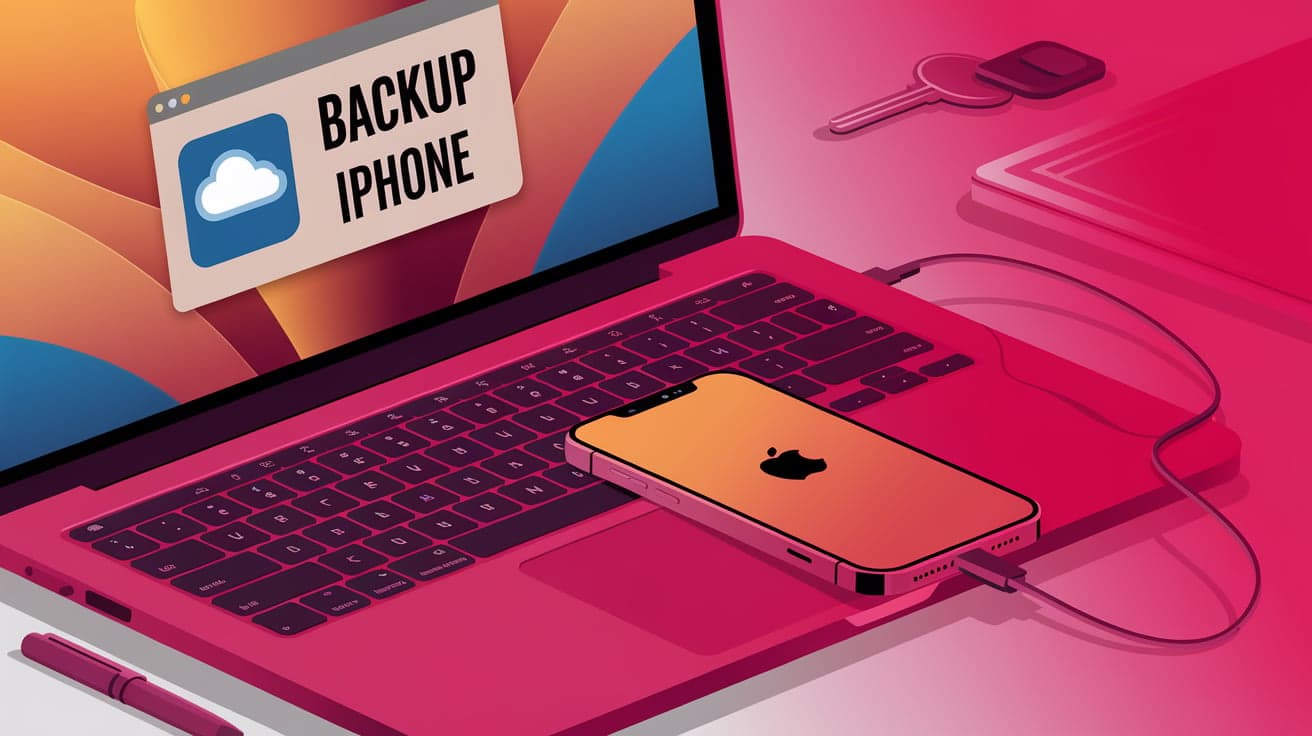
Backing up your iPhone to your MacBook is a smart way to protect your data. Whether it’s your photos, contacts, messages, or apps, a backup ensures that your information is safe if something goes wrong. Even though iCloud is an option, backing up to your MacBook gives you more control over your files and doesn’t rely on an internet connection.
In this guide, I’ll show you step-by-step how to back up your iPhone to your MacBook, whether you’re using macOS Catalina or a later version.
Why Backup Your iPhone to MacBook?
Backing up your iPhone to a MacBook has several benefits:
Data Security: Your data stays local, which means it’s not dependent on cloud storage.
More Control: You can access backups anytime without worrying about internet connectivity.
Quick Restores: Restoring from a MacBook backup is faster than downloading from iCloud.
If you’re switching to a new iPhone or just want peace of mind, a MacBook backup is a reliable option.
What You Need Before Backing Up
Before you start, make sure you have everything ready:
MacBook with Enough Storage: Check that your MacBook has enough space to store the backup.
USB or Lightning Cable: Use the cable that came with your iPhone to connect it to your MacBook.
macOS Version: Ensure your MacBook is running macOS Catalina or later. For older macOS versions, iTunes will be required.
How to Backup iPhone to MacBook (macOS Catalina or Later)
Starting with macOS Catalina, Apple replaced iTunes with Finder for managing backups. Here’s how you can back up your iPhone:
Step 1: Connect Your iPhone to the MacBook
Use a USB or Lightning cable to connect your iPhone to the MacBook.
Unlock your iPhone and tap Trust This Computer if prompted.
Step 2: Open Finder
On your MacBook, open Finder (the smiley face icon on your Dock).
In the left sidebar, look for your iPhone under Locations. Click on it.
Step 3: Select Backup Options
In the Finder window, you’ll see your iPhone’s details.
Under the Backups section, choose Back up all of the data on your iPhone to this Mac.
If you want to secure your backup with a password, check Encrypt local backup and set a password. This ensures your Health and Keychain data are saved.
Step 4: Start the Backup
Click the Back Up Now button.
The backup process will begin. Depending on the size of your iPhone’s data, this could take a few minutes.
Once the backup is complete, you’ll see the latest backup date and time displayed in the Finder window.
How to Backup iPhone to MacBook (macOS Mojave or Earlier)
If your MacBook is running macOS Mojave or an older version, you’ll need to use iTunes to back up your iPhone:
Step 1: Open iTunes
Connect your iPhone to your MacBook using a USB or Lightning cable.
Launch iTunes (it should open automatically when your iPhone is connected).
Step 2: Select Your iPhone
In iTunes, click on the iPhone icon in the top-left corner.
Go to the Summary tab.
Step 3: Choose Backup Options
Under the Backups section, select This Computer to save the backup to your MacBook.
To protect sensitive data like passwords and Health data, check Encrypt iPhone Backup and set a password.
Step 4: Start the Backup
Click Back Up Now.
Wait for the backup to finish. You’ll see the latest backup time displayed under Latest Backups.
Verifying Your Backup
It’s always a good idea to confirm that your backup was successful. Here’s how:
On macOS Catalina or Later
Open Finder and select your iPhone under Locations.
Check the Latest Backup section to confirm the date and time.
On macOS Mojave or Earlier
Open iTunes and click on the iPhone icon.
Look under Latest Backups to verify the backup details.
How to Restore from a Backup
If you ever need to restore your iPhone from a MacBook backup, follow these steps:
Connect your iPhone to your MacBook.
Open Finder (or iTunes for older macOS versions).
Click on your iPhone and select Restore Backup.
Choose the backup you want to restore and click Restore.
Common Backup Issues and Fixes
Sometimes, you might face issues during the backup process. Here’s how to troubleshoot common problems:
1. iPhone Not Recognized by MacBook
Ensure your cable is working properly.
Restart both your iPhone and MacBook.
Update your MacBook and iPhone to the latest software versions.
2. Not Enough Storage
Check your MacBook’s storage by going to Apple Menu > About This Mac > Storage.
Free up space by deleting unnecessary files or transferring them to an external drive.
3. Backup Takes Too Long
Disconnect other devices from your MacBook to improve performance.
Check your cable for any damage.
Benefits of a Local Backup
Backing up your iPhone to your MacBook has advantages over cloud-based backups:
No Internet Required: Unlike iCloud, you don’t need Wi-Fi to back up or restore.
Complete Backup: All your data, including media and settings, is saved.
Faster Restores: Local backups are quicker to restore compared to iCloud backups.
Conclusion
Backing up your iPhone to your MacBook is a simple and effective way to protect your data. Whether you’re using macOS Catalina with Finder or an older macOS version with iTunes, the steps are straightforward. By keeping regular backups, you ensure that your data is safe and can be restored anytime. If you encounter issues, troubleshooting is usually quick and easy. Now that you know how to back up your iPhone, you can enjoy peace of mind knowing your information is secure.
FAQs
How often should I back up my iPhone to my MacBook?
It’s a good idea to back up your iPhone regularly, especially before installing updates or switching to a new device.
Can I back up multiple iPhones to the same MacBook?
Yes, you can back up multiple iPhones to one MacBook. Each backup is stored separately.
Does backing up to my MacBook save everything on my iPhone?
Yes, a local backup includes all your data, such as photos, messages, apps, and settings. To include sensitive information like Health data, ensure you enable encrypted backups.
Can I back up my iPhone to my MacBook wirelessly?
No, iPhones cannot be backed up wirelessly to a MacBook. You’ll need a USB or Lightning cable.
What should I do if I forget my encrypted backup password?
Unfortunately, Apple cannot recover an encrypted backup without the password. Make sure to write it down and store it securely.
Also read -